Application and Development of Precipitated Silica in Tires
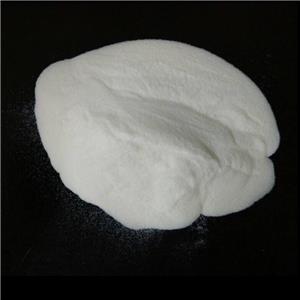
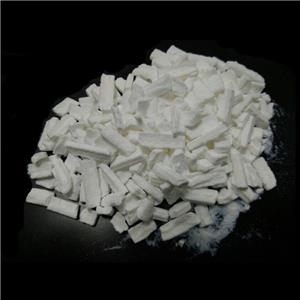
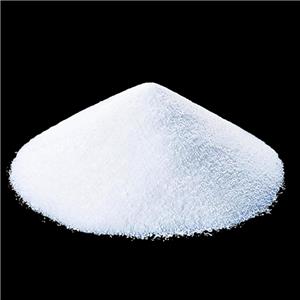
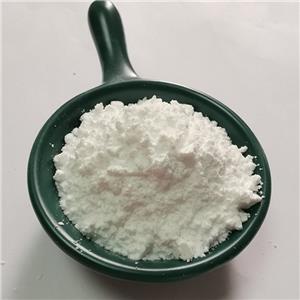
Precipitated silica (nano-silicon dioxide) is a high-performance reinforcing filler and a core material in the modern tire industry, especially indispensable for eco-friendly tires. It can partially replace traditional carbon black and resolve the performance trade-off among rolling resistance, wet grip and wear resistance. Driving tires toward energy-saving, safe and eco-friendly development, it has profoundly reshaped the global tire industry.
Precipitated silica is applied to key tire components including tread, sidewall, carcass and belt layers, among which the tread compound is the primary application scenario. When highly dispersible precipitated silica is blended with silane coupling agents in tread rubber, a three-dimensional network structure of precipitated silica-silane-rubber is formed, greatly improving the mechanical properties of rubber. Statistics show that precipitated silica can reduce tire rolling resistance by 10% to 30%, cutting vehicle fuel consumption by 5% to 8%. Meanwhile, it enhances wet grip by over 20% and shortens braking distance, balancing energy efficiency and driving safety. Used in sidewall rubber, precipitated silica improves flex resistance and impact resistance. In carcass and belt compounds, it strengthens the adhesion between rubber and steel cords, comprehensively boosting tire durability.
Its superior performance stems from unique microscopic structure and surface characteristics. Raw precipitated silica is rich in surface hydroxyl groups, which form physical adsorption with rubber molecules via hydrogen bonds. Modified by silane coupling agents, it establishes chemical bonds with rubber molecular chains and reinforces interfacial bonding. This structure reduces friction loss and dynamic heat generation of rubber chains. Uniformly dispersed nano-scale particles also improve rubber wear resistance and anti-aging performance, addressing the long-standing dilemma of traditional carbon black fillers that low rolling resistance and excellent wet grip cannot be achieved simultaneously.
The development of precipitated silica-based tires goes hand in hand with technological innovations. Continental launched the first mass-produced precipitated silica tire in 1995, ushering in the era of eco-friendly tires. With the implementation of the EU Tire Labeling Regulation and domestic technical standards for low rolling resistance tires, market demand for precipitated silica has surged. From 2015 to 2025, the consumption of precipitated silica in high-end all-steel radial tires grew at an average annual rate of 9.4%, far outpacing that of natural rubber. Currently, over 60% of new passenger cars worldwide are equipped with precipitated silica eco-friendly tires. Precipitated silica dominates the market with a share of more than 85% due to its cost performance.
Against the backdrop of environmental protection and sustainable development, the value of precipitated silica has become more prominent. For one thing, precipitated silica can be produced from renewable raw materials such as rice husk ash, featuring lower energy consumption and higher waste recovery rate, which conforms to green manufacturing concepts. For another, end-of-life precipitated silica tires can be disposed of harmlessly, with their full-life-cycle carbon emissions 12% lower than conventional tires, supporting the automotive industry's carbon peaking and carbon neutrality goals. In addition, breakthroughs in domestic wet mixing technology have solved the dispersion challenges of precipitated silica, accelerating the upgrading of China’s precipitated silica tire industry.